Web Design for Healers
Website Design for Shamanic Coaches_ What Actually Works
By Will Jones · March 05, 2026
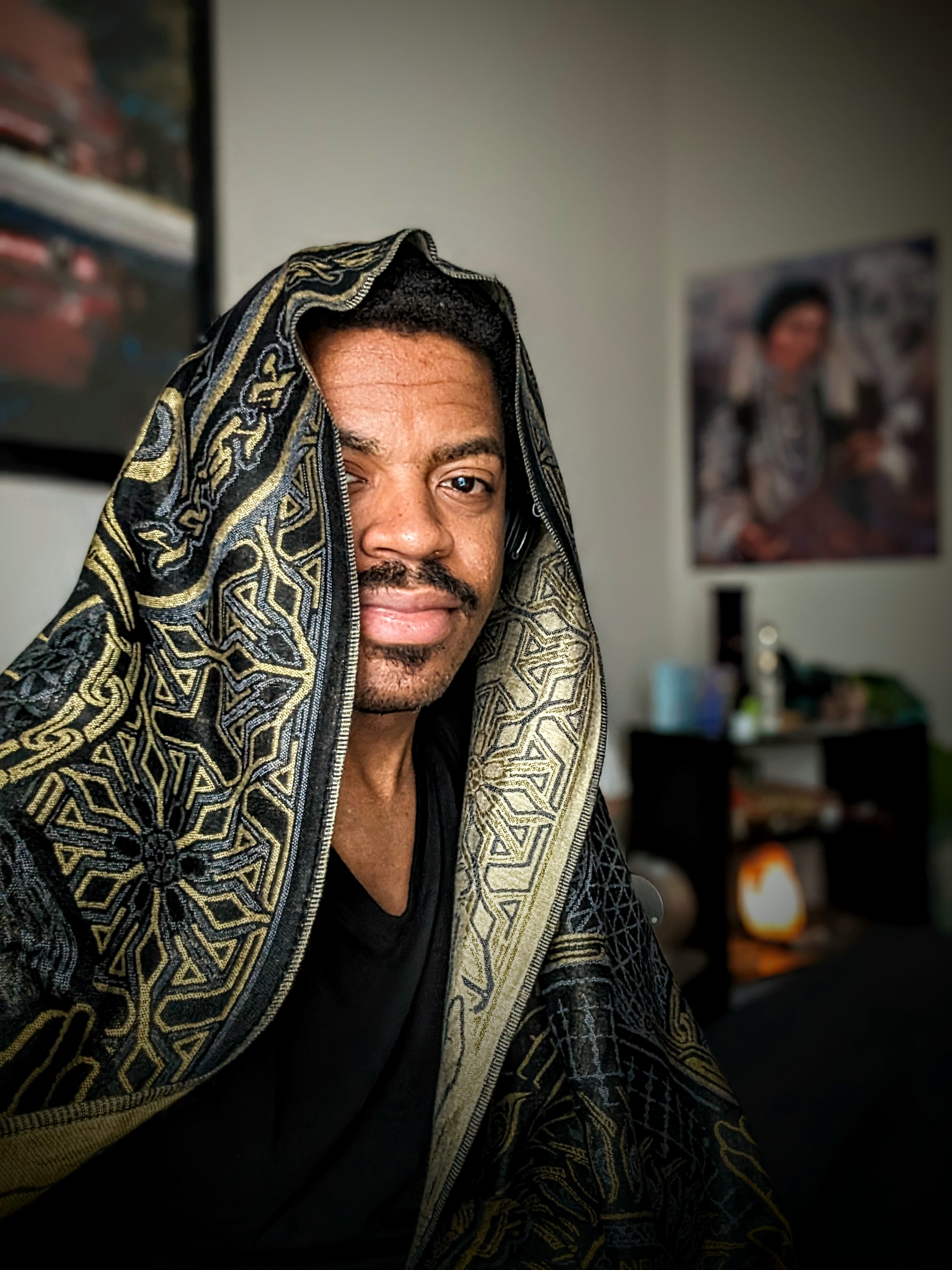
Website Design for Shamanic Coaches: What Actually Works
Shamanic coaching occupies a unique space in the healing landscape: it is deeply ancient in its roots, profoundly personal in its practice, and often entirely unfamiliar to the people most drawn to it. The seeker who lands on your page may not have a clinical definition for a "shamanic journey" or "non-ordinary reality," but something—a referral, a quiet pull, or a search for deeper meaning—has brought them to your door.
Design for a shamanic coach must honor the immense depth of the work while holding the door open for the newcomer. These are not competing goals; when done with intentionality, they are the same design decision. Your website should not just talk about the work; it should begin the work.
The Visual Language of the Ancient
The visual vocabulary of shamanic practice has specific, powerful reference points: ceremony and fire, ancient stone and earth, the living forest, and desert light. These images communicate the nature of your work with an immediate felt sense. However, they only carry power when they are specific, not generic.
A photograph of a real ceremonial fire—alive and captured in the actual context of ritual—carries a weight that a stock photo of a beach bonfire simply cannot. I encourage you to curate your visual world with the same discernment you bring to ceremony itself. Your color palette should mirror this: deep indigos for the mystery, amber and ochre for the fire and earth, and bone for what has passed through. Avoid the "clinical" look of bright whites or trendy pastels; the site should feel like stepping into something timeless.
Mirroring the Narrative of a Journey
Shamanic work is fundamentally narrative—the seeker’s life is a story with a before and an after, and the session itself is a journey with a departure and a return. Your website structure can, and should, mirror this architecture.
The Hero Section: This is the threshold—the invitation to step across into a new reality.
The About Section: This is the guide’s story—why you walk this path and who initiated you.
The Services Section: This is the map—a clear layout of the possible journeys you facilitate.
The Testimonials: These are the return stories—proof that others have made the journey and come back transformed.
When a website is organized this way, visitors feel instinctively oriented. They know where they are in the story, and the design answers exactly what they need at each stage of the journey.
Honor the Depth, Ensure Accessibility
The specific challenge for shamanic coaches is honoring the esoteric nature of the work without alienating someone who just stumbled onto your site. The solution is not to dilute your medicine, but to layer it.
I recommend structuring your content so the homepage speaks primarily in sensation and transformation—feelings that anyone can relate to. As the visitor moves deeper into your Services or FAQ pages, you can introduce more specific language about the mechanics of the work. This allows informed seekers to go deep quickly while giving newcomers the space to move at their own pace toward readiness.
Presence as the Ultimate Anchor
In shamanic coaching, the seeker is trusting you to guide them through terrains they cannot navigate alone. Your digital presence must communicate that you have gone before them. This isn't just about a list of credentials; it's about a felt sense of your character and groundedness.
Your photograph matters enormously here. It should convey stability: direct eye contact and a grounded posture, ideally in a natural setting. Your bio should share the path that led you here—including the difficult initiations. People are not looking for a polished corporate professional; they are looking for a guide who has actually walked the terrain they are about to enter.
Technical Tools for Immersion
Because shamanic work is immersive, we can use technical tools to deepen that feeling online. Subtle video backgrounds of flowing water or forest canopies can make the hero section breathe. Parallax scrolling creates a sense of depth, and full-screen quotes allow key wisdom to land with weight. These are not gimmicks; they are digital tools used to create the atmosphere of ceremony.
Beyond the Website: Your Web Portal
While you are likely used to thinking of your online home as a website—the traditional name for the digital home of your work—I invite you to consider a shift in perspective. We use the term web portal because everything in the digital realm carries an energetic signature, and for a shamanic practice, this is where the journey truly begins.
For a seeker, landing on your page is the first step across the threshold. It isn't just a visual check; it is an energetic event. We use the term web portal to convey what is actually happening: the opening of a gateway between the mundane world and your sacred sanctuary. A standard website provides information; a web portal provides a transformation. If you are ready to build a digital home that honors the ancient depth of your work from the very first click, I am here to help you design your web portal.
Related Reading
Ready to build your healing practice website?
Custom-coded from scratch. No templates. Built for your practice.
Get Custom Quote →